Drain Field Replacement in Duluth, MN
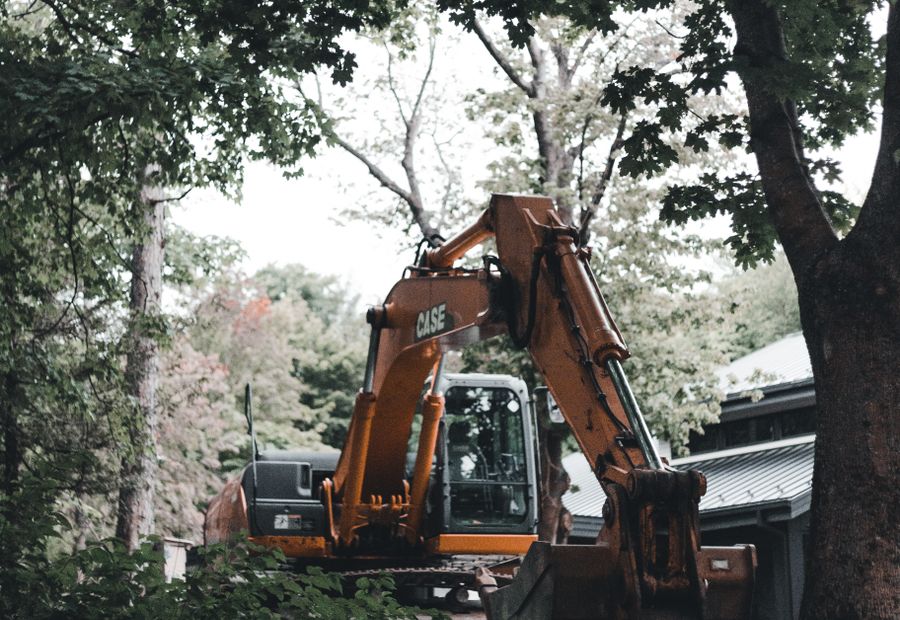
Duluth Drain Field Pros is a septic system contractor doing drain field replacement, system installation, tank and baffle work, mounds and alternative designs, soil testing, line repairs, and commercial septic. We serve houses, lake cabins, and small acreages across Duluth, Rice Lake, Hermantown, Canyon, Saginaw, Island Lake, Two Harbors, Cloquet, Esko, and St. Louis, Carlton, and Lake counties, Minnesota.
Our replacements go in as Infiltrator Quick4 chambers set on a trench bottom cut level end to end, or as perforated pipe bedded in washed drainage stone under non-woven fabric. Where a stone truck cannot reach the back of a lot, Infiltrator EZflow carries in by hand, because the aggregate rides in a net sleeve around the pipe. Every one of those methods depends on the same thing: a size that came off a soil evaluation and a bottom that does not run downhill. A field dropped in at whatever depth the bucket reached, on ground nobody tested, is a field that gets replaced twice.
What Actually Sealed the Trench
A dark slick layer grows where effluent meets soil. That is biomat, and it is bacteria rather than sludge. Thin, it slows water down and helps treat it. Thick, it closes the soil surface. Water still arrives with every flush, so it rises. You get a green stripe across the lawn, a smell outside, and a backup at the lowest drain.
The Tank Is Not the Field
Almost everyone who calls has already paid a pump truck. The tank came empty, things drained for a while, then the trouble returned. Pumping removes solids from a tank. It does not touch the ground the field sits in. For a routine cleanout, call a septic pumping company with a truck. When the yard is wet, the ground is the problem.
Rock, Water, and Separation
The state wants a depth of clean unsaturated soil between the bottom of a field and whatever lies beneath, whether that is bedrock, a hardpan, or the seasonal high water table. Roughly three feet. Around here the rock runs close and the water stands high, so the evaluation decides whether a trench field is even possible on your lot.
New Trenches or a Redesign
Most permitted lots carry a reserve area, ground held back for a second field. If yours is intact, unbuilt on, and still passes, we trench over there, run new distribution, and abandon the old field in place. If a shop went up on it, or the whole parcel fails, the job becomes a redesign. The price gap between those two outcomes is large, and the soil work is what tells you which side you are on.
What the Yard Looks Like After
Expect tracks, stripped ground, and spoil piles for a few days. Then it gets backfilled, graded to shed rain away from the trenches, and seeded. Lawn returns in a season. We evaluate and permit through the cold months and dig once the frost is out. (218) 555-0138 reaches a person.
How much does it cost to replace a drain field?
The answer is a fork rather than a figure. If your lot still has an intact reserve area that passes evaluation, we cut new trenches over there and the job stays in the lower band. If there is no usable ground left, the system gets redesigned as a mound, an at-grade, or a pressure system, and that lands far higher. What moves it inside each band: the soil evaluation result, depth to rock and to seasonal water, field size for the house, machine access, how many yards come in or go out, and whether a pump and panel are part of the design. The soil work comes before the number, because the soil is what sets the size.
Why does my septic back up after I just had it pumped?
Pumping empties the tank, and an empty tank gives the house a few weeks of room. It changes nothing about the ground. When the backup returns that quickly, the field has stopped accepting water. The usual causes are a sealed soil interface, trenches that got driven on and compacted, roots in the laterals, or simply more water going in than the soil can take.
Do I need a permit to replace a drain field?
Yes, in every county we work. Minnesota writes the rules and the counties administer them, so St. Louis, Carlton, and Lake each run their own onsite wastewater office with its own paperwork. A soil evaluation comes with the permit application. We confirm what your parcel needs and pull the permit before a machine touches the ground. Nobody can promise you an approval or a date, and we will not.
Can a failed drain field be repaired?
Some failures can. A lateral crushed under a truck, a distribution box that settled out of level, a stuck float or a burned out pump, a plugged effluent filter, or a running toilet flooding the trenches are all repairs. A field whose soil interface has sealed is replaced, not restored. No product poured down a drain reopens sealed soil, and none of them undo compaction or lower a water table.